Phone:
(701)814-6992
Physical address:
6296 Donnelly Plaza
Ratkeville, Bahamas.

Phone:
(701)814-6992
Physical address:
6296 Donnelly Plaza
Ratkeville, Bahamas.
Discover effective yoga for anxiety management with simple poses, breathing techniques, and mindfulness practices to calm your mind and regain emotional balance naturally.
Anxiety has quietly become one of the most common mental health challenges in today’s fast-paced world. From constant worrying to sudden panic attacks, it can deeply affect your daily life. While medications and therapy are valuable, many people are now turning toward natural and holistic methods like yoga for anxiety management.
Yoga is not just physical exercise—it is a mind-body practice that combines movement, breathing, and mindfulness. This powerful combination can significantly reduce stress levels, calm the nervous system, and improve emotional well-being.
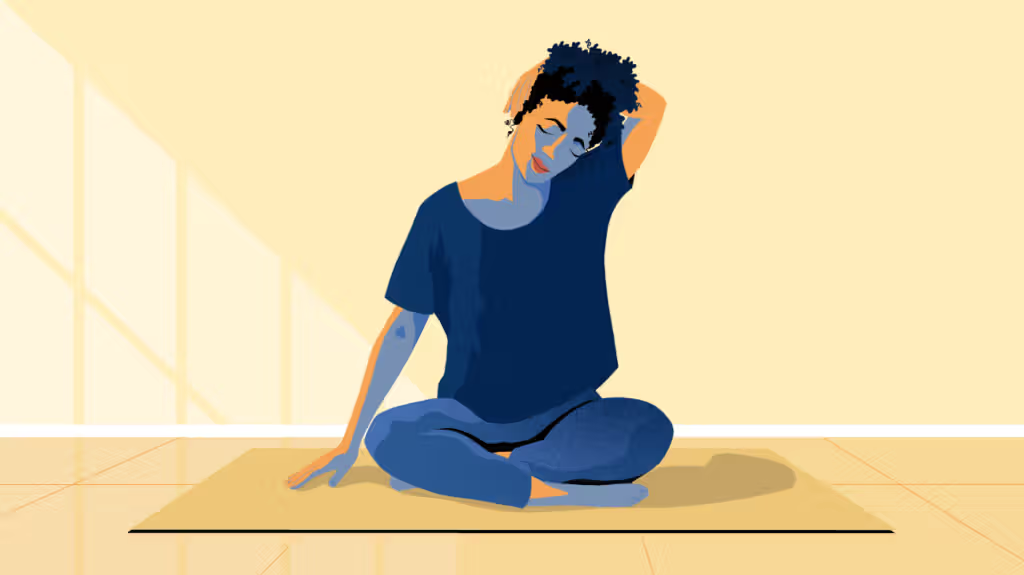
Yoga works on both the body and the mind simultaneously. Unlike quick fixes, it addresses the root causes of anxiety.
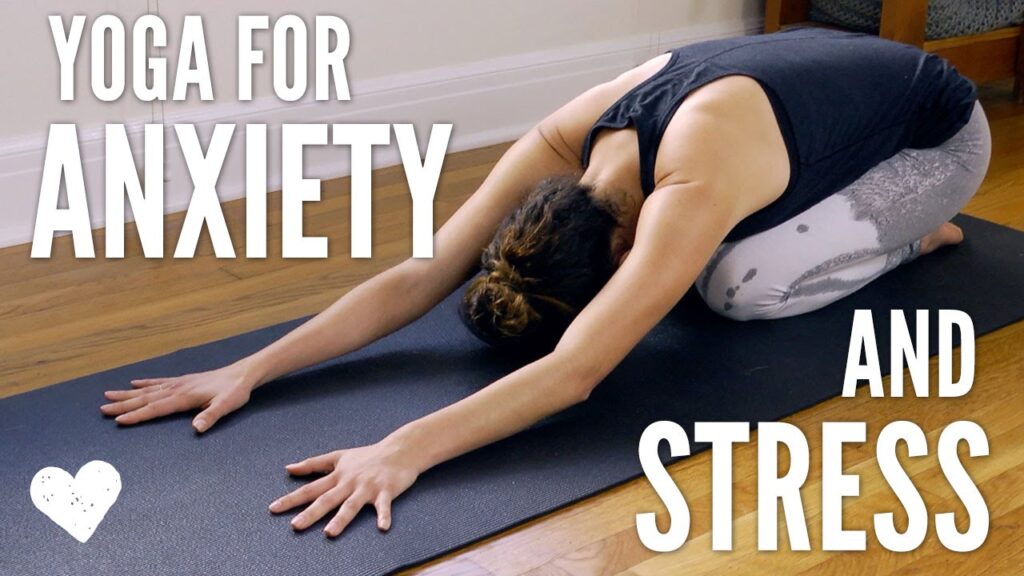
Yoga stimulates the parasympathetic nervous system, helping your body shift from “fight or flight” mode to a state of calm.
Regular practice lowers cortisol levels, the hormone responsible for stress and anxiety.
Yoga encourages you to stay present, reducing overthinking and negative thought patterns.
Controlled breathing techniques help regulate emotions and prevent panic episodes.
Incorporating specific poses into your routine can bring immediate relief from anxiety symptoms.
This resting pose helps calm the brain and relieve tension in the body.
How it helps:
A restorative pose that improves blood circulation and calms the nervous system.
Benefits:
A gentle flow between two poses that helps synchronize breath with movement.
Why it works:
This pose increases blood flow to the brain, helping reduce anxiety.
Key benefits:
Often practiced at the end of a session, this pose allows complete relaxation.
Effects:
Breath control is a core element of yoga for anxiety management.
Slow, deep breaths help calm your nervous system.
Steps:
This technique balances the left and right hemispheres of the brain.
Benefits:
A structured breathing method for quick stress relief.
How to do it:
Yoga is not complete without mindfulness. Meditation enhances the effects of yoga practices.
Sit comfortably, close your eyes, and focus on your breath for 5–10 minutes daily. When your mind wanders, gently bring it back.
Consistency is key to seeing real results.
Avoid these pitfalls when practicing yoga:
Yoga is about patience and gentle progress.
Research shows that regular yoga practice can significantly reduce symptoms of anxiety disorders. Studies indicate improvements in heart rate variability, stress response, and overall mental health.
Yoga has been found to be as effective as some conventional treatments when practiced consistently, making it a valuable complementary approach.
Yoga for anxiety management is a natural and effective way to calm the mind and reduce stress. By combining gentle poses, controlled breathing, and mindfulness, yoga helps regulate the nervous system and improve emotional balance. Regular practice can lower stress hormones, ease tension, and promote relaxation. It also encourages present-moment awareness, reducing overthinking and worry. Suitable for all fitness levels, yoga offers a holistic approach to managing anxiety without side effects. Even a few minutes daily can bring noticeable improvements in mental clarity, inner peace, and overall well-being.
Yoga for anxiety management is a powerful, holistic practice that supports both mental and physical well-being. Through a combination of gentle movements, deep breathing techniques, and mindful awareness, yoga helps calm the nervous system and reduce the intensity of anxious thoughts. It lowers stress hormones, improves mood, and enhances overall emotional resilience. Regular practice also promotes better sleep, increased focus, and a sense of inner balance. Accessible to beginners and experienced practitioners alike, yoga provides a safe and natural way to manage anxiety, restore calmness, and build a healthier, more peaceful lifestyle over time.
Yoga is suitable for almost everyone, including:
Even beginners can start with simple poses and breathing exercises.
Yoga is more than a physical practice—it is a powerful tool for emotional healing. By incorporating yoga for anxiety management into your daily routine, you can regain control over your thoughts, reduce stress, and cultivate inner peace.
The journey may start small, but its impact can be life-changing. With patience and consistency, yoga can help you transform anxiety into calmness and clarity.
Take a deep breath, roll out your mat, and begin your journey toward a more peaceful mind today.